Text size
Line height
Text spacing
SKR 5302: Advanced Distributed Computing © 2025 by Masnida Hussin is licensed under CC BY-SA 4.0


The TCP and UDP protocols use ports to map incoming data to a particular process running on a computer.
Network
Layering
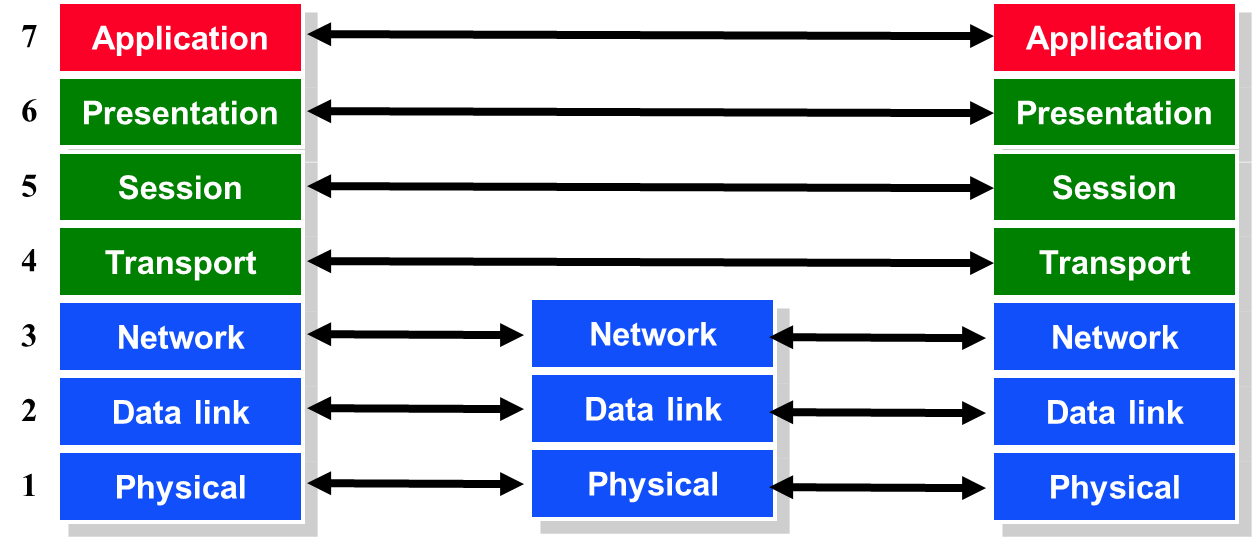
Layering
Makes it Easier
Application programmer
Only need a way to pass the data down
What Lower Layer Need to Know?
We pass the data down. What else does the lower layer need to know?
How to identify the destination process?
Identify
the Destination
Addressing
Multiplexing
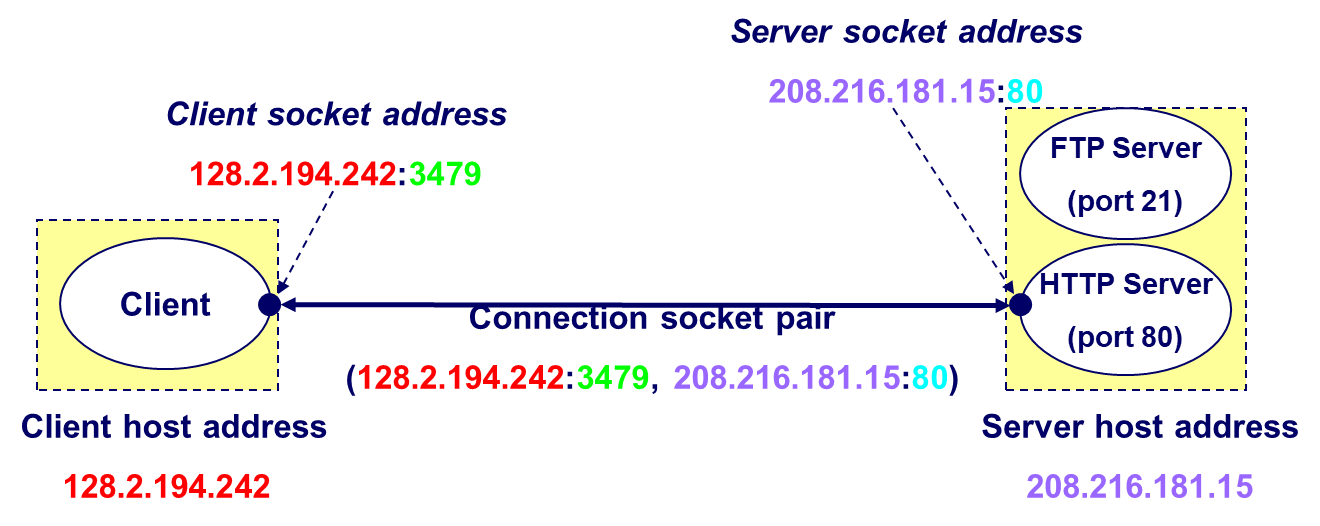
Understanding Ports
The TCP and UDP protocols use ports to map incoming data to a particular process running on a computer.
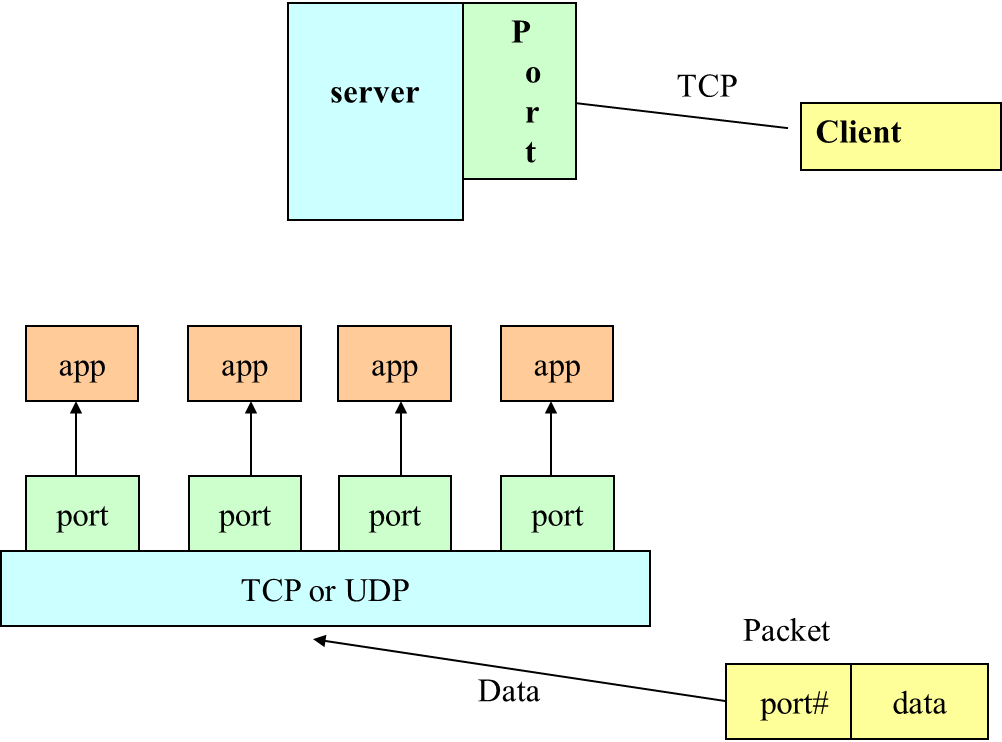
Port is represented by a positive (16-bit) integer value. Some ports have been reserved to support common/well known services:
User level process/services generally use port number value >= 1024.
Ports
A port serves as a message source or destination
A local port can be bound to no more than one process. Processes may use multiple ports
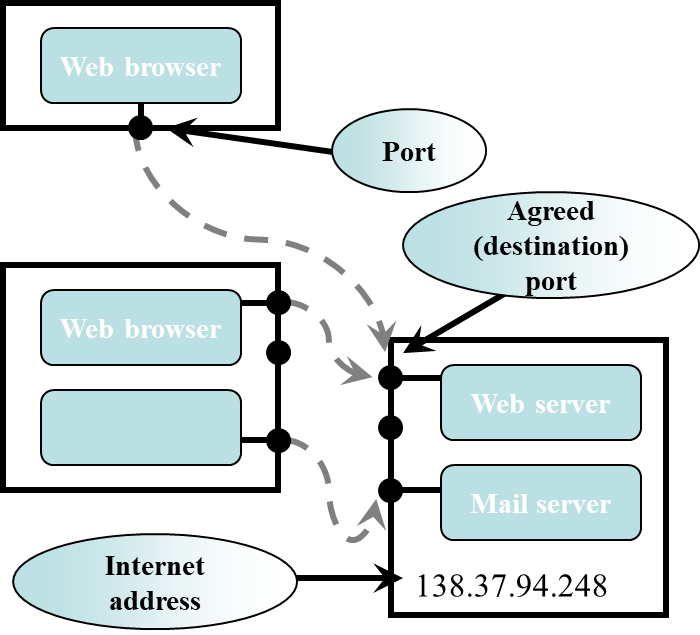
Usage
of port-numbers
Standard applications use predefined port-numbers
Other applications should choose between 1024 and 65535