2. System Model: Distributed System
2.8. Security Model
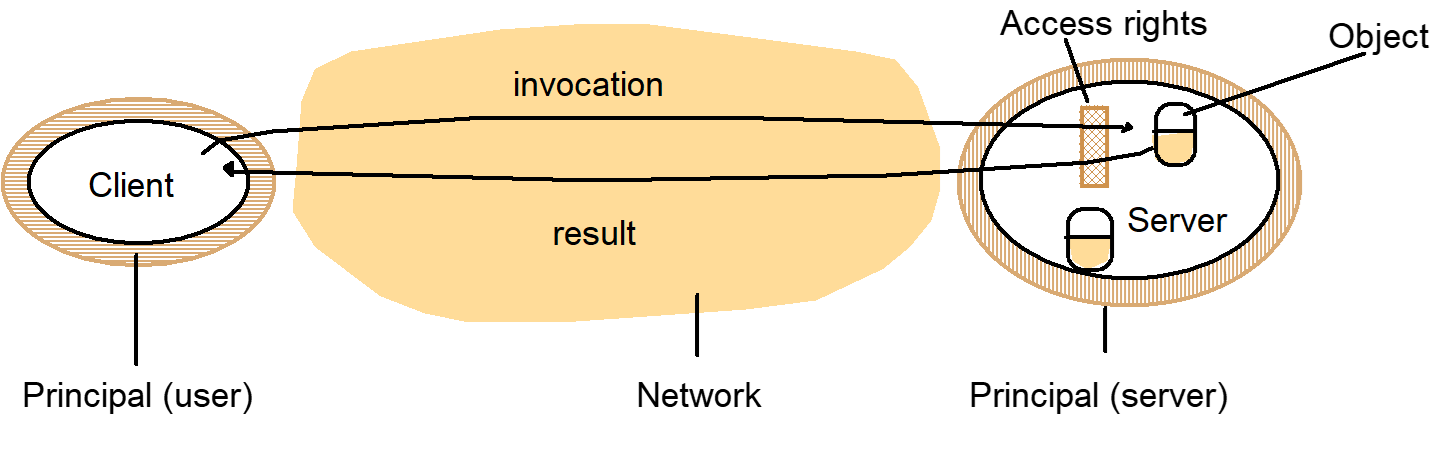
- The security of a distributed system
- The processes
- The communication channels
- Protecting the objects
- Access rights: who is allowed to perform the operations of an object
- Principal: the authority who has some rights on the object
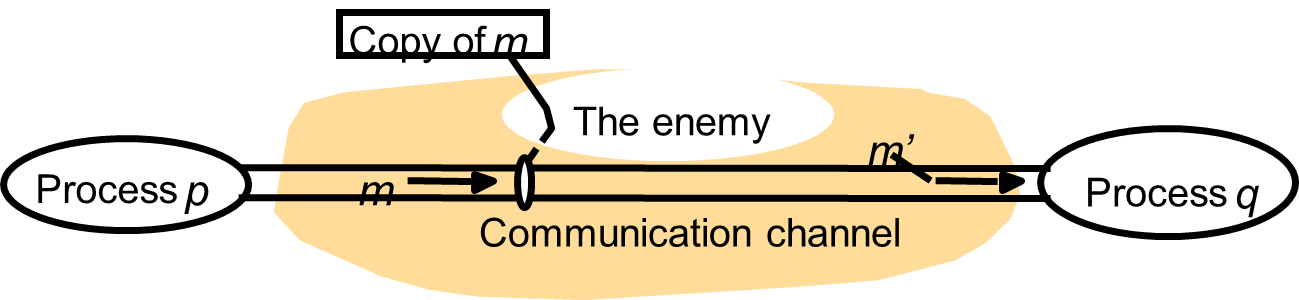
The Enemies
- Threats to processes
- To servers: invocate with a false identity, e.g. cheating a mail server
- To clients: receive false result, e.g. stealing account password
- Threats to communication channels
- Copy, alter or inject messages
- Save and replay, e.g. retransfer money from one account to another
- Denial of service
- excessive and pointless invocation on services or message transmissions in a network
- result in overloading of physical resources (network bandwidth, server processing capacity)
- Mobile code
- malicious mobile program, e.g. Trojan horse attachment
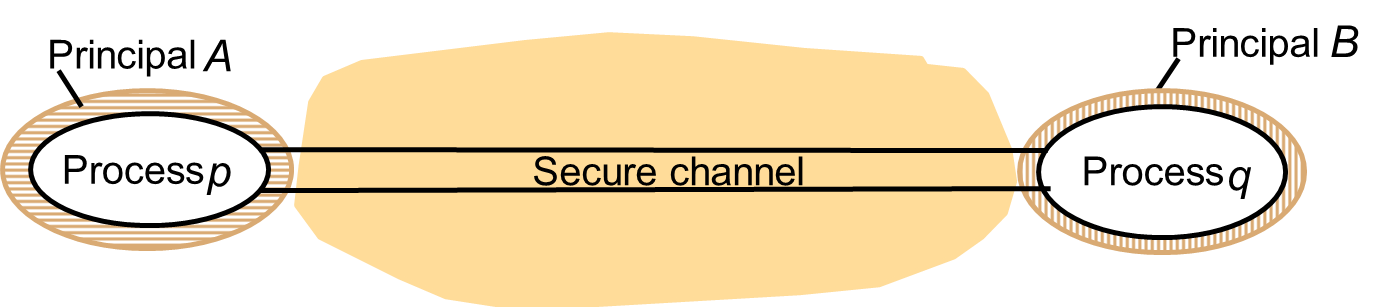
Secure Channel - Each process knows reliably the identities of the principal on whose behalf the other process is executing
- Ensure the privacy and integrity of the data transmitted across it
- Each message includes physical or logical time stamp
|


