Text size
Line height
Text spacing
SKR 5302: Advanced Distributed Computing © 2025 by Masnida Hussin is licensed under CC BY-SA 4.0


Elements of C-S Computing
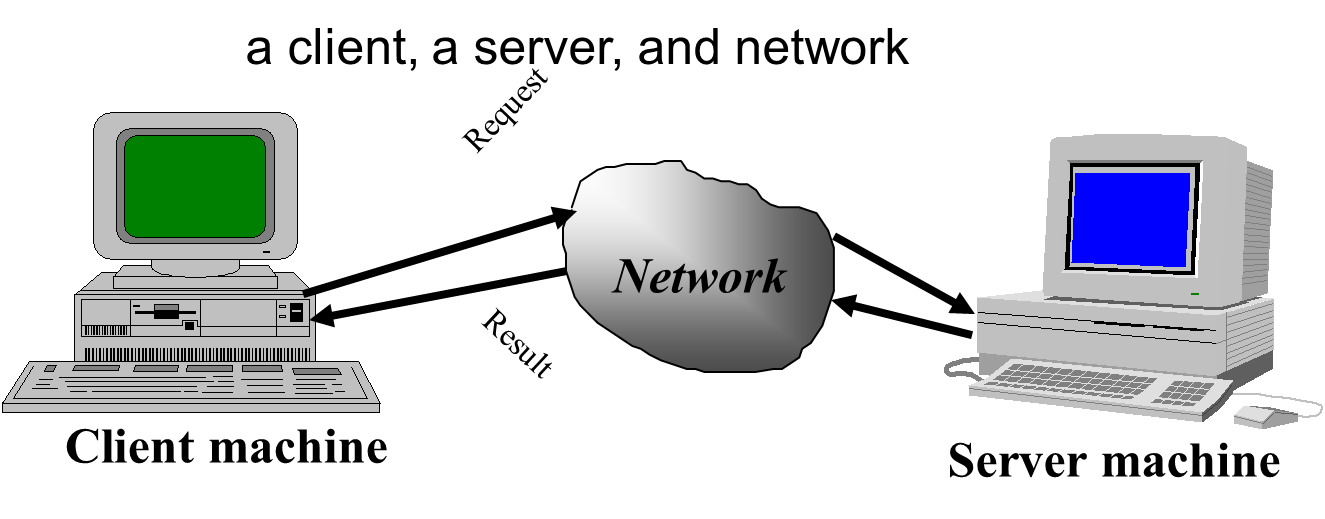
Processes follow protocol that defined a set of rules that must be observed by participants:
Face-to-face communication, humans beings follow unspoken protocol based on eye contact, body language, gesture.
Client/sever model
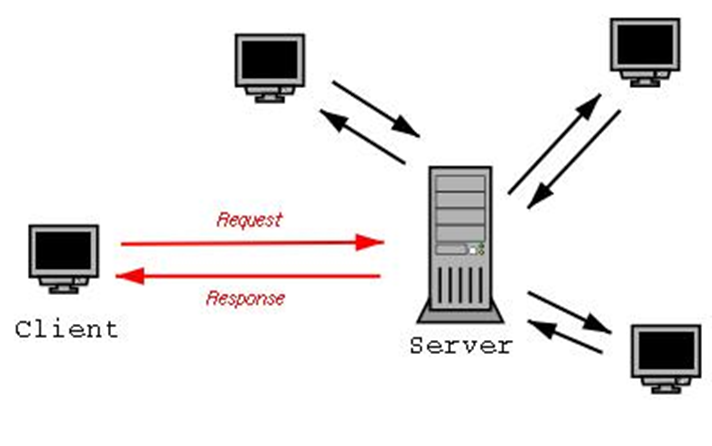
Client asks (request) – server provides (response)
Typically: single server - multiple clients
The server does not need to know anything about the client
The client should always know something about the server
Networking Basics
TCP/IP Stack
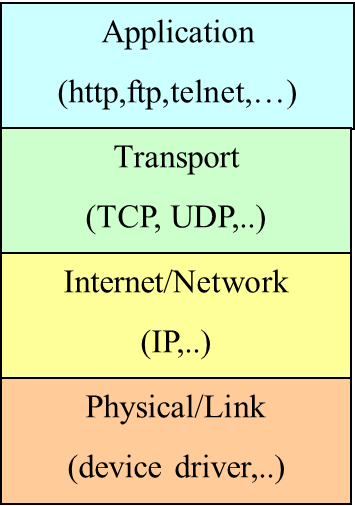
Physical/Link Layer
Internet/Network Layer
Transport Layer
Programming Interface:
Applications Layer
TCP (Transmission Control Protocol) is a connection-oriented communication protocol that provides a reliable flow of data between two computers. Example applications:
UDP (User Datagram Protocol) is a connectionless communication protocol that sends independent packets of data, called datagrams, from one computer to another with no guarantees about arrival or order of arrival. Similar to sending multiple emails/letters to a friends, each containing part of a message.Example applications: