1. Chapter 1: A Review : Distributed System
1.3. Examples of Distributed Systems
- Network of workstations
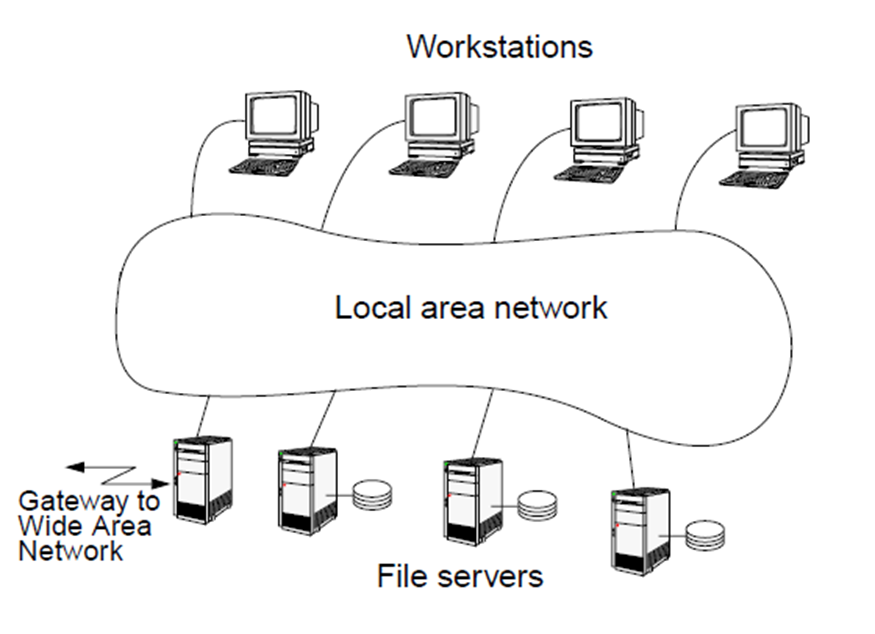
- Personal workstations and processors not assigned to specific users.
- Single file system, with all files accessible from all machines in the same way and using the same path name.
- For a certain command the system can look for the best place (workstation) to execute it.
- Automatic banking (teller machine) system
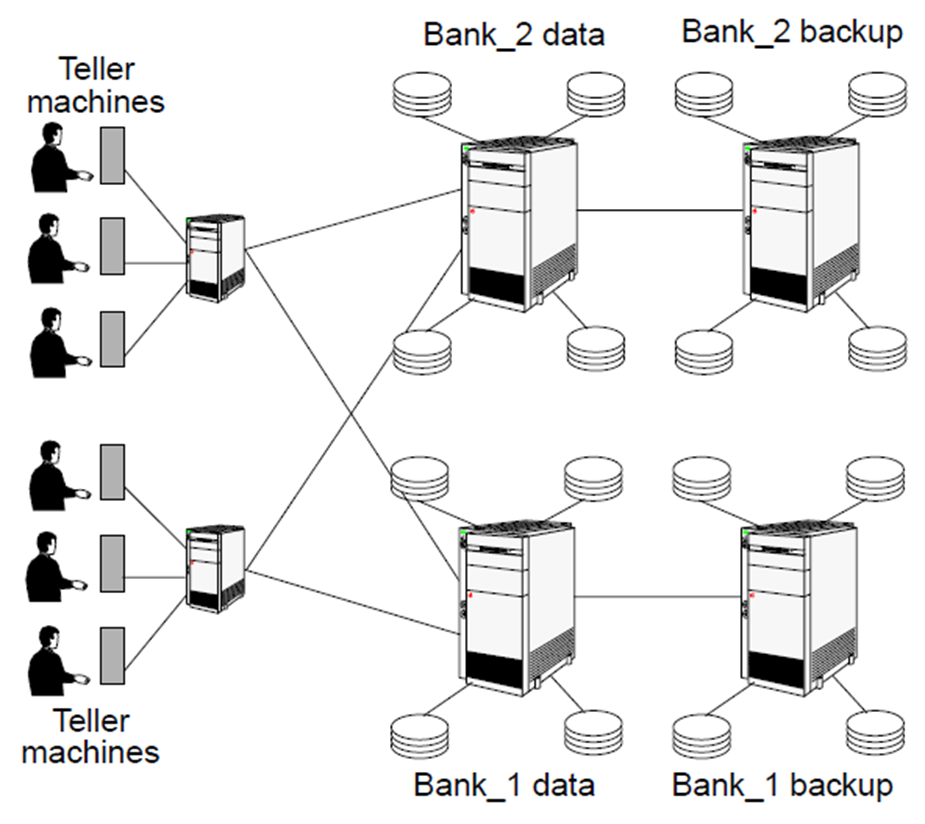
- Primary requirements: security and reliability.
- Consistency of replicated data.
- Concurrent transactions (operations which involve accounts in different banks; simultaneous access from several users, etc).
- Fault tolerance
- Automotive system (a distributed real-time system)
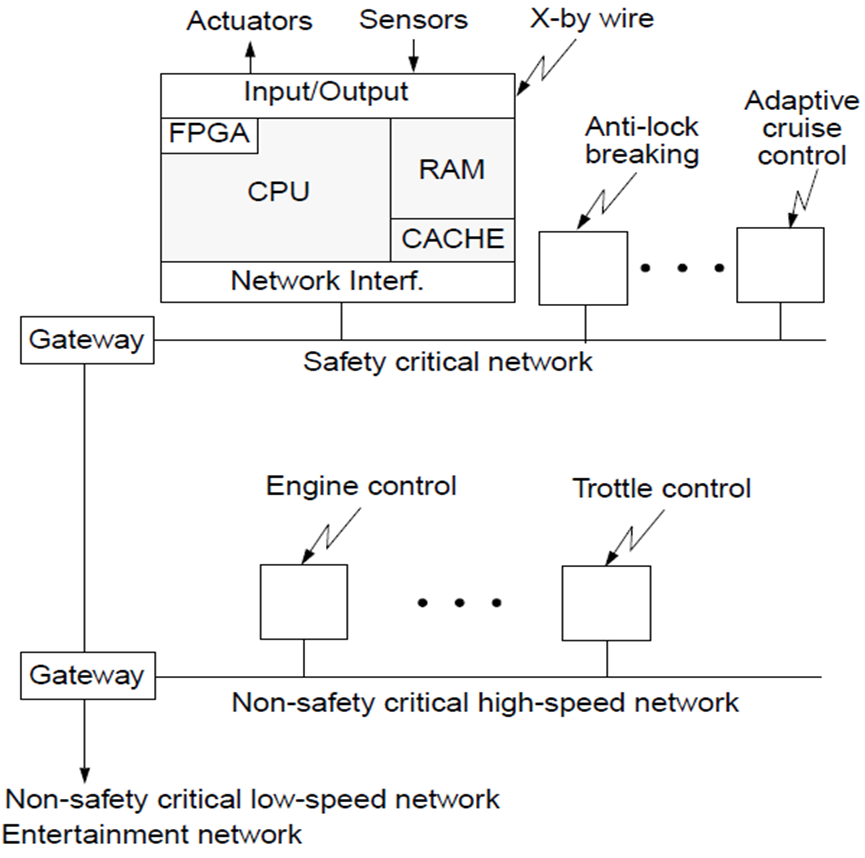
- Synchronization of physical clocks
- Scheduling with hard time constraints
- Real-time communication
- Fault tolerance
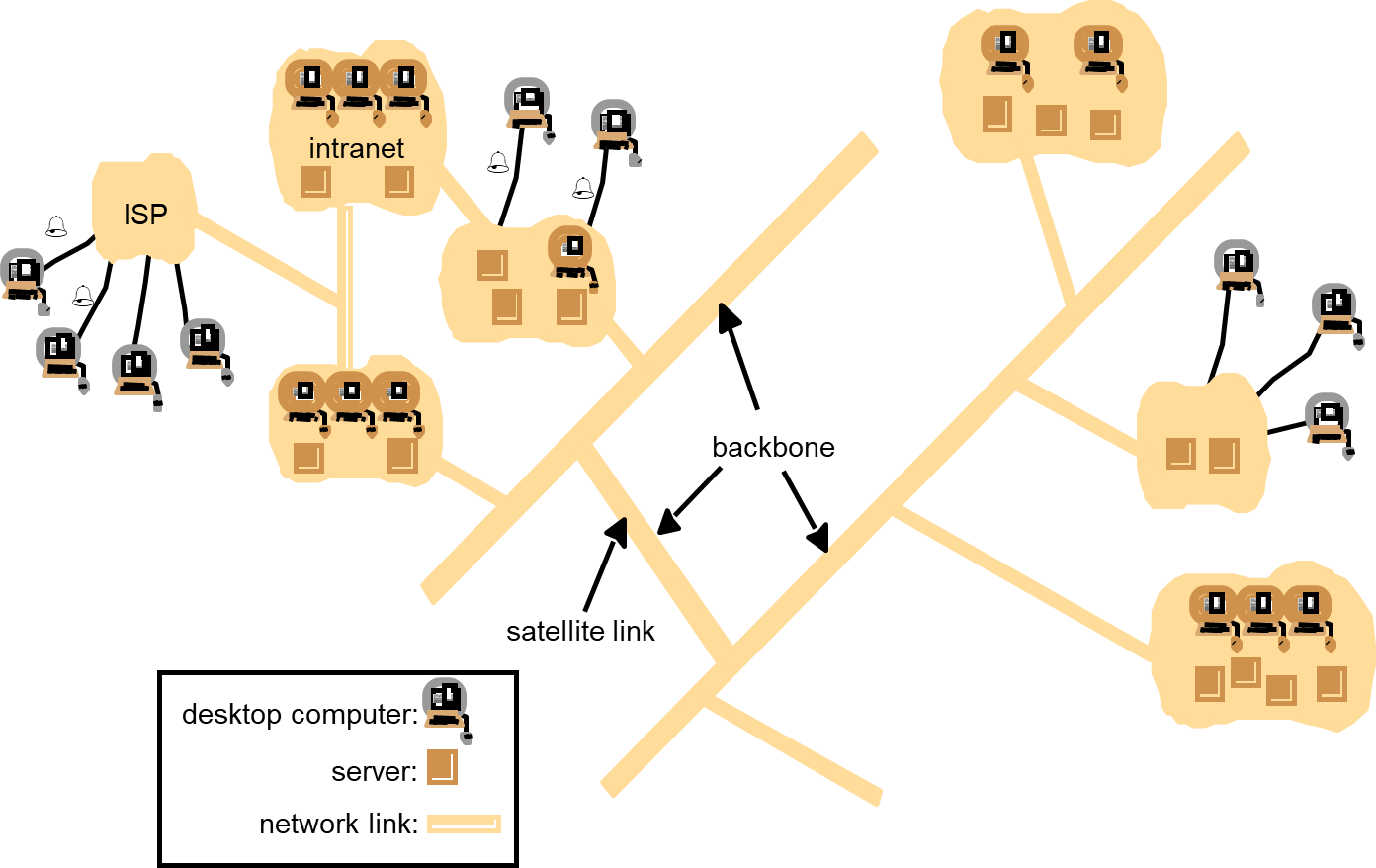
Internet
- It is a very large distributed system that allows users throughout the world to make use of its services.
- Internet protocols is a major technical achievement.
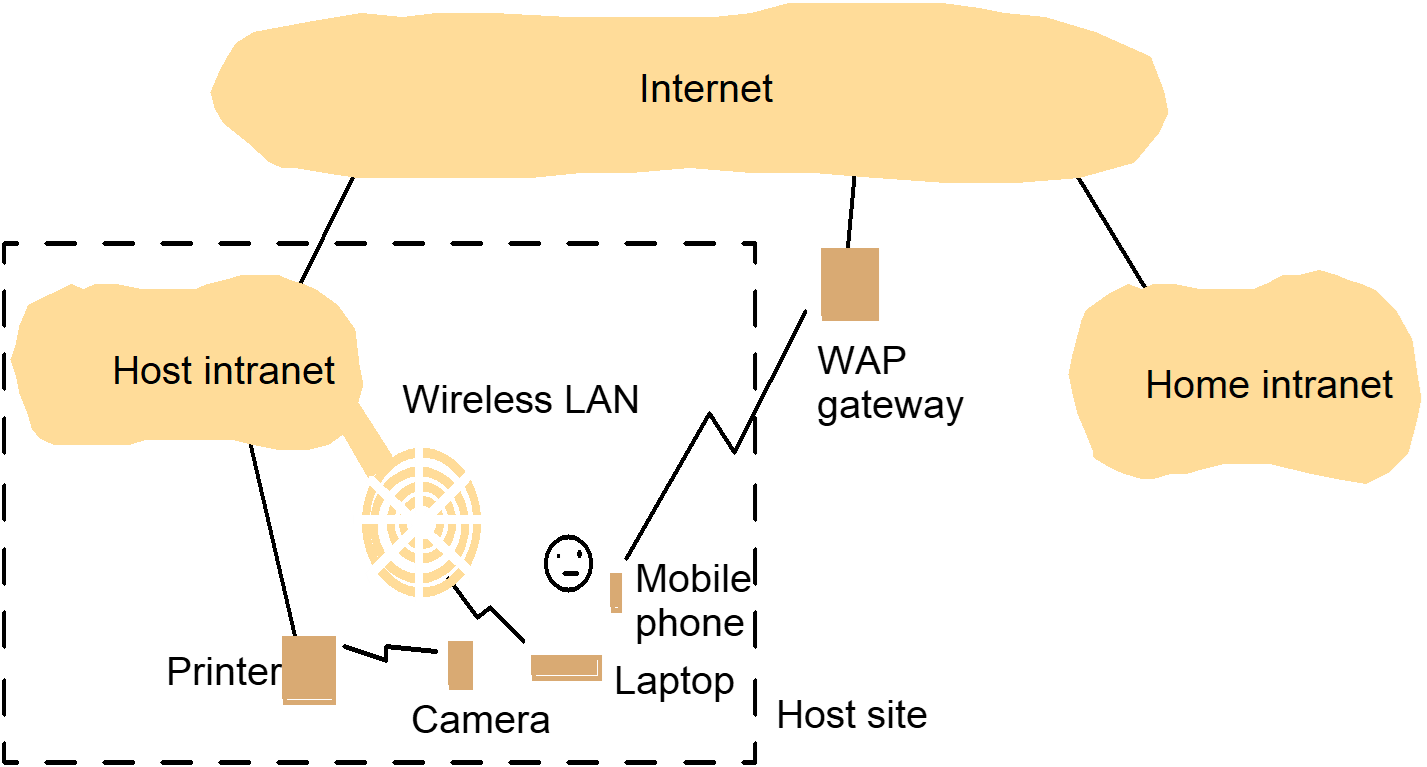
Mobile computing (nomadic computing)
- Access resources while on the move or in an unusual environment
- Location-aware computing: utilize resources that are conveniently nearby
Ubiquitous computing (pervasive computing)
- The harnessing of many small, cheap computational devices
Mobile devices
- Laptop computers
- Handheld devices
- PDA, mobile phone, pager, video camera, digital camera
- Wearable devices
- e.g. smart watches, digital glasses
- Network appliances
- e.g. washing machines, hi-fi systems, cars and refrigerators
Portable and handheld devices in a
distributed system |
 |


